Cart
Your shopping cart is empty!
It's never too late to make things right :)

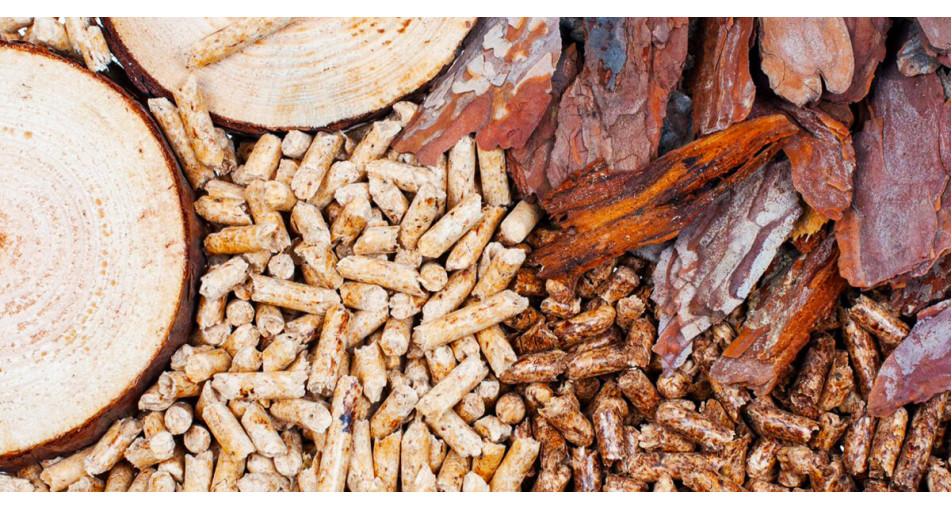

Wood pellets are compressed granules made mainly from sawdust and other wood-processing residues. They are easy to transport and can be stored for long periods if kept dry.
High-quality pellets generally do not require chemical binders. Natural lignin in the wood binds the particles together during compression.
Pellets are used in specialised pellet boilers, stoves and fireplaces. Automatic fuel feeding helps maintain a stable temperature and reduces manual work.
Premium pellets: Made from clean wood and generally characterised by low ash content.
Industrial pellets: May contain bark and other wood residues, resulting in more ash.
Agro-pellets: Made from straw, husks and other agricultural residues. They require compatible heating equipment.
Heating value is an important indicator of fuel efficiency. It depends on the wood species, moisture content and production method. Dry pellets generally provide more energy per kilogram than wet firewood.
| Property | Wood Pellets | Firewood | ||
| Heating value |
|
| ||
| Moisture content |
| Depends on drying | ||
| Ash content |
| Depends on wood and combustion | ||
| Fuel supply |
| Usually manual | ||
| Storage | Must be protected from moisture | Store in a dry, ventilated area |
These figures are approximate. Actual values depend on fuel quality.
Wet firewood uses part of its energy to evaporate the water it contains, reducing heating efficiency. Wood pellets generally have a more consistent moisture content, making their performance easier to predict.

Before purchasing, check the fuel specifications and compatibility with your heating system. Pay particular attention to the following:
Moisture content: High-quality wood pellets usually contain no more than 10% moisture.
Ash content: Lower ash content generally means less frequent boiler cleaning.
Heating value: Check the manufacturer's specifications.
Certification: ENplus or DINplus certification can confirm compliance with established quality requirements.
Appearance: Pellets should be firm, with minimal dust and broken pieces.
Firewood may be cheaper if affordable timber is available and there is enough space to dry it properly. Wood pellets are particularly convenient for automated heating systems, offering more consistent characteristics and requiring less manual work.
Actual heating costs depend not only on the purchase price but also on moisture content, boiler efficiency, delivery and maintenance expenses.
Wood pellets are a practical choice for those who value automation and consistent heating. Firewood remains a good alternative when it is affordable and properly dried. For an accurate comparison, calculate the cost per unit of usable heat rather than comparing fuel prices alone.
Leave your contact details and we will get back to you within 15 minutes.

