Cart
Your shopping cart is empty!
It's never too late to make things right :)

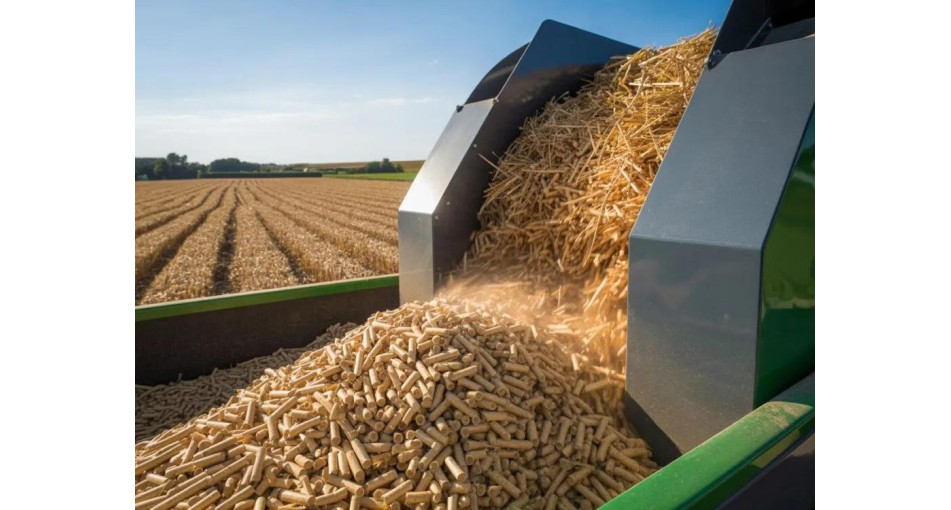
The search for alternative energy sources is increasing interest in agricultural waste as a fuel. Straw and sunflower husks can be processed into compact fuel pellets that are suitable for heating systems and biomass boilers. This approach allows agricultural by-products to gain a practical second use instead of becoming waste.
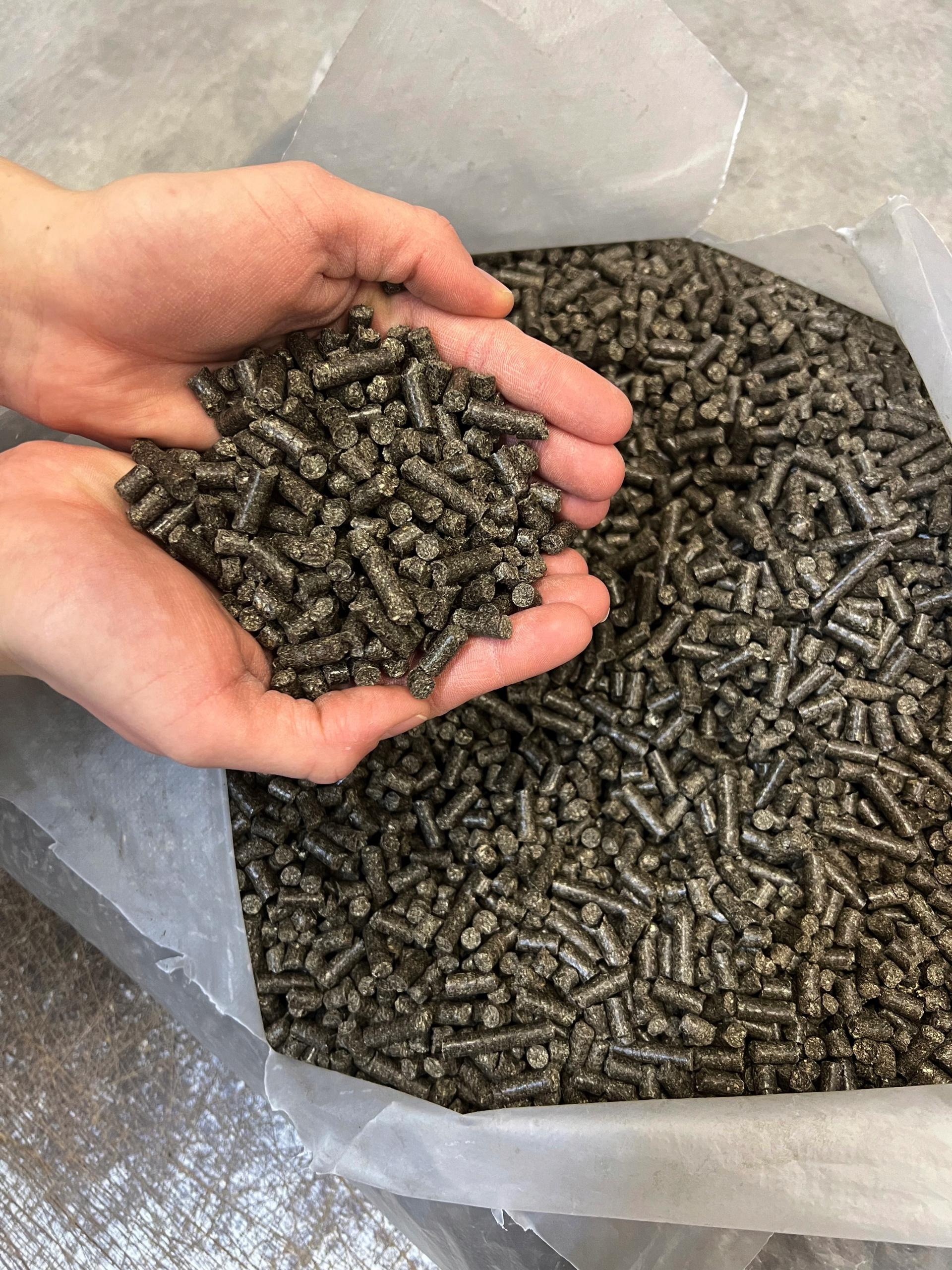
Fuel pellets made from straw and sunflower husks are small cylindrical granules produced from dried and compressed plant material. The raw material is prepared, ground and pressed under high pressure. The finished pellets have a stable shape, contain relatively little moisture and are convenient to transport and store.
Sunflower husks are especially suitable for pellet production because they are generated in large quantities during oilseed processing. Straw is another widely available agricultural residue that can be used as a source of solid biofuel.
The production process includes several basic stages:
preparation and cleaning of the raw material;
grinding and drying;
pressing the material into pellets;
cooling and screening;
packaging and storage.
The final characteristics depend on the moisture content, raw material quality, pellet density and production technology.
Straw pellets are made from compressed cereal and other agricultural straw. They can be used in specially designed boilers and heating systems. Their main advantage is the availability of the raw material in agricultural regions.
The quality of straw pellets depends strongly on moisture and ash content. Proper preparation helps create a more stable fuel with predictable combustion characteristics.
Sunflower husk pellets are produced from a by-product of sunflower seed processing. They have a relatively high energy value and can be used as solid fuel for industrial and agricultural heating.
According to the source data, the main characteristics may fall within the following ranges:
| Parameter |
| |
| Total moisture |
| |
| Ash content |
| |
| Lower heating value | 4109–4604 kcal/kg | |
| 4451–4924 kcal/kg | |
| Pellet diameter |
|
Actual parameters may vary depending on the raw material and production conditions.

The principle is straightforward: agricultural residues are converted into a standardized fuel and then used to produce heat. Instead of relying only on conventional fossil fuels, a heating system can use processed biomass as an additional energy source.
The economic effect depends on pellet prices, boiler efficiency, transportation costs and local fuel prices. For agricultural enterprises located near raw material sources, short transport distances can make biomass fuel particularly practical.
Pellets require protection from moisture. Water can damage their structure, increase losses and reduce combustion efficiency. Dry warehouses, sealed packaging and suitable ventilation help preserve fuel quality.
Pellets are also easier to handle than loose straw or husks because their volume and shape are standardized. This simplifies loading, transportation and automated feeding into compatible boilers.
Using straw and sunflower husks for energy can reduce the amount of agricultural residue requiring disposal. Biomass fuel is also based on renewable plant material, although its environmental impact depends on cultivation, processing, transportation and combustion technology.
The key advantage is the conversion of an agricultural by-product into a useful energy resource. This creates a connection between farming, waste reduction and local heat production.
Demand for biomass fuel may grow as businesses and agricultural producers look for ways to reduce dependence on traditional energy sources. Better pelletizing equipment, efficient boilers and improved logistics can increase the practical value of straw and sunflower husks.
Fuel pellets from agricultural residues are therefore not simply a substitute for conventional fuel. They are part of a broader model in which agricultural by-products become a source of useful energy.
Leave your contact details and we will get back to you within 15 minutes.

