Cart
Your shopping cart is empty!
It's never too late to make things right :)

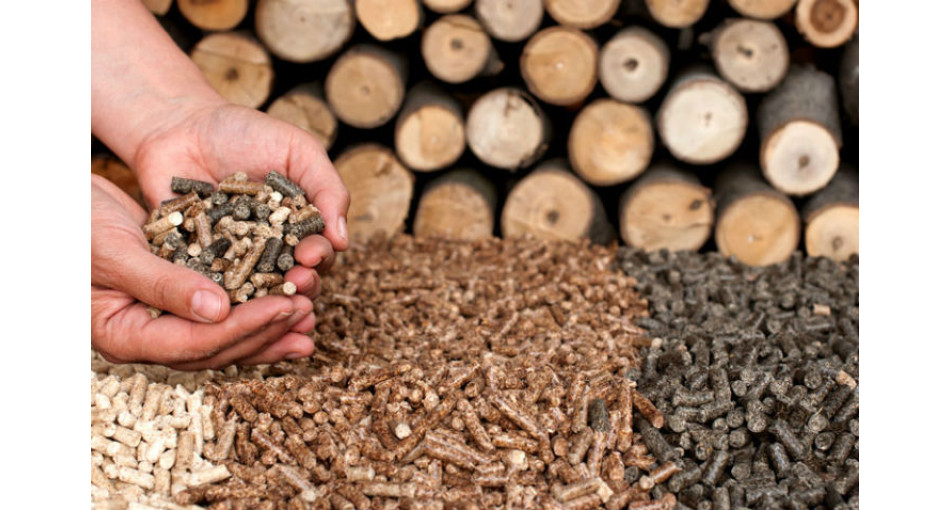
Many owners of private homes, public facilities, and industrial buildings use pellets for heating. These are small granules with a diameter of 6–8 mm. But what are heating pellets made of? This is explained further in the article.
The raw material used during production affects the performance characteristics of the finished fuel. Therefore, buyers need to understand how pellets are made and how compressed granules for boilers and stoves are produced.

Fuel pellets are made from processed plant-based raw materials. In most cases, these are by-products and waste from woodworking and agricultural enterprises.
Specialized equipment is used for production. Pellet lines are sometimes installed directly at enterprises where suitable waste is generated. This makes it possible to process raw materials on site and improve the economic efficiency of production.
The following materials are commonly used:
|
The characteristics of pellets depend not only on the raw material but also on moisture content, production technology, and storage conditions. Wood pellets with low ash content are often preferred for residential heating.
One of the main parameters when choosing fuel is ash content. Oak and pine pellets are frequently used in household heating systems. If the ash content is low, such fuel is suitable for boilers and stoves installed in residential buildings.

A special production line is used to make pellets from sawdust, wood shavings, husks, straw, or other raw materials. The material passes through several processing stages before becoming finished fuel granules.
At the first stage, the raw material is sorted. Clean material is separated from contaminated residues. For example, wood waste containing a large amount of bark usually produces pellets with a higher ash content.
If the material is too large or uneven, it is crushed. Hammer mills are commonly used to turn large pieces of wood into smaller and more uniform fractions.
After crushing, the raw material is dried. Its moisture content is usually reduced to approximately 6–12%.
The material is placed in drying equipment where heated air removes excess moisture. Proper drying is essential for stable pellet quality and efficient pressing.
Temperature must be carefully controlled. Excessive heating can damage lignin, a natural component of wood that helps bind particles together during pellet formation.
After drying, the raw material may be slightly moistened. This reduces friction during pressing and helps decrease wear on the pellet mill die.
Water or steam can be used to prepare the material for the next stage.
The prepared raw material enters a pellet mill equipped with pressing rollers and a die. The rollers force the material through openings in the die.
The diameter of these openings determines the size of the finished pellets. Under pressure and heat, the raw material becomes compact cylindrical granules.
After pressing, the pellets are cut to the required length, cooled, and hardened. The finished product can then be packed or stored for further transportation and use.
Leave your contact details and we will get back to you within 15 minutes.

