Cart
Your shopping cart is empty!
It's never too late to make things right :)

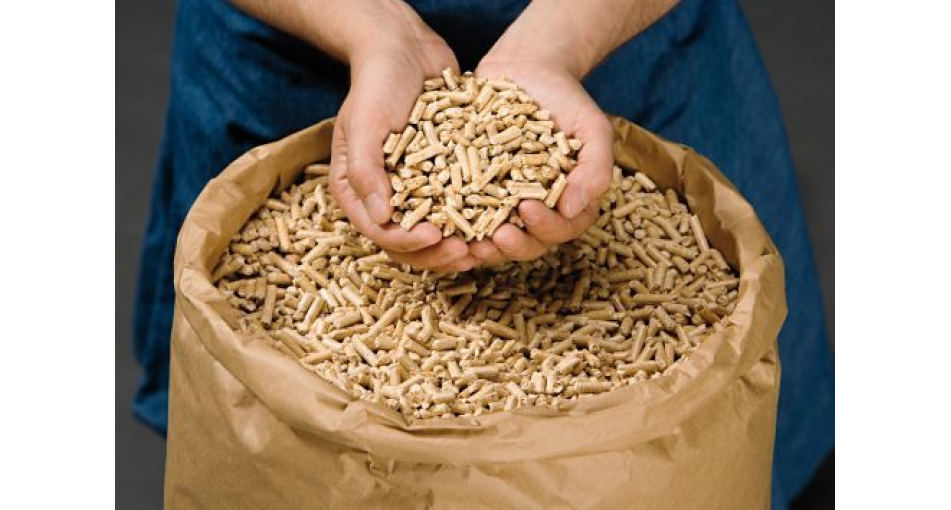
Fuel pellets are generally divided into two groups: wood pellets and agricultural pellets. The most common diameters are 6 and 8 mm. The choice depends on the heating equipment, the type of building and the required fuel characteristics.
| Type |
|
| ||
| Wood pellets | Sawdust, wood shavings |
| ||
|
| Warehouses, workshops, industrial buildings |
Agricultural pellets are usually produced from residues of crop processing. Sunflower husk pellets are especially widespread because large amounts of husks remain after oil production. Such fuel is relatively inexpensive and therefore attractive for heating large non-residential buildings. However, some agricultural pellets may produce a noticeable smell during combustion.
Wood pellets are more universal. They are made mainly from sawdust and wood shavings and usually have a mild natural wood aroma. Their calorific value is about 4.6 kWh/kg. Due to their regular size and good flowability, they work well in automated heating systems.

Collection and sorting of raw materials.
Grinding to a particle size of about 3–4 mm.
Drying to remove excess moisture.
Pressing in a pellet mill or extruder.
Cooling, screening and packaging of the finished granules.
First, wood residues or agricultural by-products are delivered to the production site. Even fine material is additionally ground to obtain a uniform structure. This helps the raw material behave more predictably during drying and pressing.
The prepared mass is then dried. Moisture control is important because material that is too wet does not compress properly and may produce fragile pellets. After drying, the raw material enters the pellet mill, where it is exposed to high pressure and heat.
During this stage, natural lignin contained in wood and plant fibres becomes active and binds the particles together. As a result, dense pellets are formed without the need for large amounts of synthetic additives.
The final quality depends on several factors: purity of the raw material, moisture level, particle size, pressing temperature and pressure. Good pellets should keep their shape during transportation and storage, contain little dust and burn steadily.
Incorrect drying or poor pressing can make the granules brittle. Excessive moisture may also reduce combustion efficiency and complicate storage.
Properly produced pellets are suitable for manual and automated heating systems. They take up less space than loose biomass, are easy to dose and can provide stable heat output when used in correctly adjusted equipment.

Leave your contact details and we will get back to you within 15 minutes.

